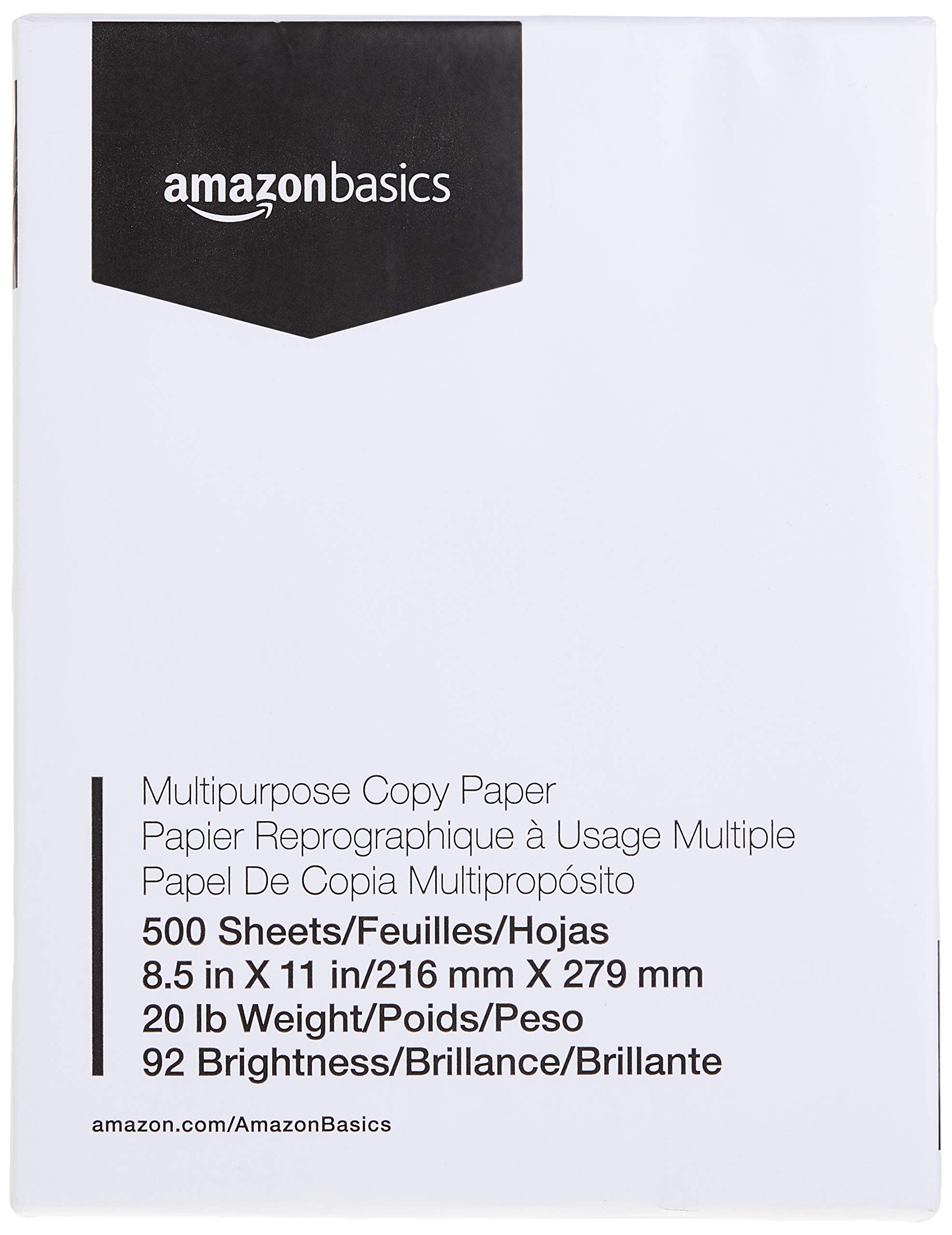
 Its acid-free and lignin-free composition affords it a longevity that spans the test of time, ensuring that it steadfastly maintains its high-quality output without succumbing to the vicissitudes ... — Amazon Basics Multipurpose Copy Printer Paper, 8.5 x 11 inches, 20 lb, 1 Ream, 500 Sheets, 92 Bright, White — $7.41
No Time To Read?
## Understanding Paper Weight and Brightness: A Guide for Everyday Printing
When it comes to paper, many of us grab whatever's cheapest or most readily available without giving much thought to its specifications. However, understanding the basics of paper weight and brightness can significantly improve your printing experience and the overall quality of your documents. These characteristics are more than just numbers; they directly impact how your prints look, feel, and even how long they last.
Let's start with paper weight. This refers to the mass of 500 sheets (a ream) of paper in its basic, uncut size. The weight is expressed in pounds (lb) in the US and grams per square meter (gsm) in most other parts of the world. Common weights for everyday printing include 20 lb and 24 lb. Lighter weights, like 20 lb, are typically used for everyday tasks like printing documents, drafts, and copies. They are more economical but can be more prone to show-through, meaning you might see ink from the other side of the page. Heavier weights, such as 24 lb or higher, offer a more substantial feel and reduced show-through, making them suitable for important documents, presentations, or projects where quality is paramount. Think about resumes or reports intended for external distribution – a heavier weight paper projects a more professional image. The weight also affects how the paper feeds through your printer; some printers struggle with excessively heavy paper.
Paper brightness is another crucial factor. It's measured on a scale of 0 to 100, with higher numbers indicating brighter paper. Brighter paper offers better contrast, making text and images appear sharper and more vibrant. A brightness level of 92 is generally considered a good standard for general purpose printing, offering a noticeable improvement in clarity compared to lower brightness papers. Papers with a brightness of 96 or higher are often used for professional printing and photographic applications where optimal image quality is desired. Lower brightness papers, while less visually striking, can be perfectly adequate for internal documents or situations where cost is a primary concern. Keep in mind that brightness is just one factor – the paper's finish (matte, glossy, etc.) also plays a significant role in the final appearance of your prints.
Get It On Amazon ::: (brought to you by Kiitn)
Add this to cart.
#1,Amazon Basics Multipurpose Copy Printer Paper, 8.5 x 11 inches, 20 lb, 1 Ream, 500 Sheets, 92 Bright, White,4.8 out of 5 stars,178,973,$7.41
#Ad Our articles include affiliate links: If you buy something through a link, we may earn a commission 💕
[ Purchase details ]
No comments:
Post a Comment