The ecommerce landscape is undergoing a seismic shift, driven by the pursuit of convenience and the relentless march of digital innovation. As witnessed during the Covid-19 pandemic, online shopping has become an indispensable part of modern ___, with India being no exception to this trend. The Indian ecommerce market, currently valued at $123 Bn, is poised to balloon to over $400 Bn by 2030, according to a recent report.
This meteoric growth is largely fueled by evolving consumer behaviour, with an increasing emphasis on speedy deliveries, whether it's quick commerce or same-day fulfillment. However, this new paradigm poses significant logistical challenges for businesses. With consumers demanding faster deliveries, ranging from minutes to a few hours, traditional logistics tools and practices are struggling to keep pace.
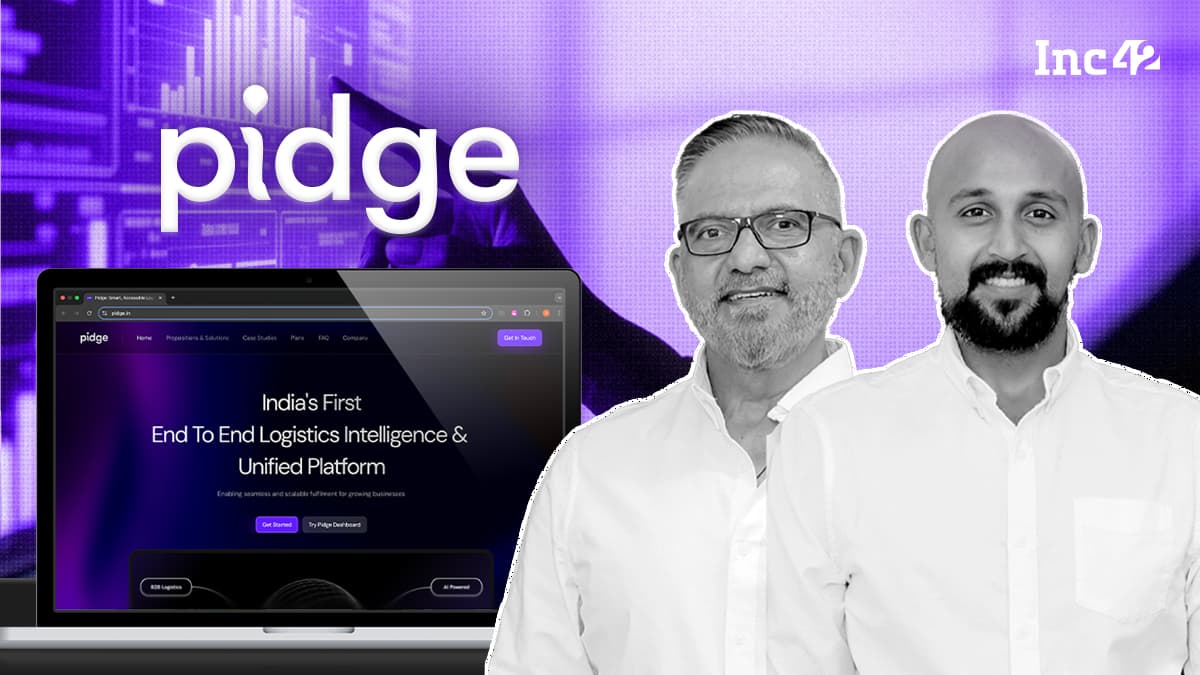
Intracity B2C logistics, in particular, is a complex beast... requiring businesses to navigate multiple carriers, ship inventories from various storefronts and warehouses, and ensure timely last-mile deliveries. In this context, Ratnesh Verma, "founder and CEO of Pidge," "a Gurugram-based logistics intelligence platform.".. astutely observes that "we need the right technology platform to overhaul logistics operations and meet the requirements of new-age businesses and customers.
 Source: Found here
Background Document: History and Achievements of Pidge and Ratnesh Verma** Pidge, a Gurugram-based logistics intelligence platform, has emerged as a pioneering force in the Indian ecommerce landscape. Founded by Ratnesh Verma, Pidge is revolutionizing the logistics sector by providing innovative solutions to businesses of all sizes.
With a strong focus on addressing the complexities of quick commerce and time-bound ecommerce deliveries, Pidge has established itself as a leader in the logistics intelligence space. Early Days and Vision Ratnesh Verma, the founder and CEO of Pidge, envisioned a platform that would transform the logistics sector by harnessing the power of technology.With a deep understanding of the ecommerce ecosystem and the challenges associated with logistics... Verma set out to create a solution that would enable businesses to adapt to the rapidly evolving market. Key Achievements * Pidge has developed a powerful SaaS suite that combines with a national delivery partner network, "enabling businesses to streamline their logistics operations and ensure seamless scalability."
* The platform has helped businesses of all sizes adapt to the new rules of ecommerce... providing them with the tools and expertise needed to navigate the complexities of quick commerce and time-bound deliveries.• • • •
The burgeoning ecommerce sector is replete with opportunities, yet it also presents a myriad of logistical complexities. According to a recent study by McKinsey, the Indian ecommerce market is expected to experience a compound annual growth rate (CAGR) of 27%, driven largely by the proliferation of digital technologies and shifting consumer preferences.
This precipitous growth trajectory underscores the imperative for businesses to reassess their logistics strategies, particularly in the realm of intracity B2C logistics. As noted by experts at Deloitte, the increasing demand for speedy deliveries necessitates the adoption of cutting-edge logistics solutions, including advanced analytics, artificial intelligence, and the Internet of Things (IoT). By leveraging these technologies, businesses can streamline their logistics operations, enhance supply chain visibility... and ultimately deliver a superior customer experience.
A report by Inc42 highlights the critical role that logistics intelligence platforms, such as Pidge, "play in enabling businesses to navigate the intricacies of modern ecommerce." By providing a robust SaaS suite and a national delivery partner network, "these platforms can help businesses overcome the challenges associated with intracity B2C logistics.".. ensuring seamless scalability and unhindered growth in an evolving market.
E-commerce and logistics industry.
The digital transformation of supply chains is revolutionizing the way businesses operate, enabling them to respond swiftly to changing market conditions and customer needs. As companies strive to stay ahead of the competition, they are increasingly turning to advanced technologies such as artificial intelligence, blockchain, and the Internet of Things (IoT) to optimize their logistics operations.
By leveraging these innovations, businesses can enhance supply chain visibility, improve forecasting accuracy, and reduce costs, ultimately driving growth and profitability.
The integration of digital technologies into logistics is also giving rise to new business models and opportunities. For instance, the concept of "digital freight forwarding" is gaining traction, enabling companies to manage their shipping operations more efficiently and cost-effectively. Similarly... the use of data analytics and machine learning is allowing businesses to predict and prevent supply chain disruptions, minimizing the risk of delays and losses.
As the logistics industry continues to evolve, it is likely that we will see even more innovative applications of technology, leading to greater efficiency, agility, and responsiveness.
According to a recent report by Inc42 Media, "the Indian logistics sector is poised for significant growth," "driven by the increasing demand for fast and reliable delivery services." As the ecommerce market continues to expand... logistics providers will need to invest in digital technologies to stay competitive and meet the evolving ← →
Ecommerce is surging worldwide, buoyed by its convenience (as witnessed during the Covid-19 pandemic) and the deep penetration of digital technologies across businesses and industries. India is no exception. The ecommerce market in India is the eighth largest globally and is projected to reach $400 Bn+ by 2030 from a $123 Bn market opportunity in 2024, per an Inc42 report .◌◌◌ ◌ ◌◌◌
Consumer behaviour has evolved, with increasing demand for faster deliveries—whether within minutes through quick commerce or same-day fulfillment. The question is whether businesses can keep pace with the complexities of quick commerce and time-bound ecommerce deliveries ranging from minutes to a few hours.
Given the change in consumer behaviour with a convenience-first approach and the way delivery is undergoing a rapid transformation, it is next to impossible for traditional logistics tools and practices to handle all aspects of this business.

No comments:
Post a Comment