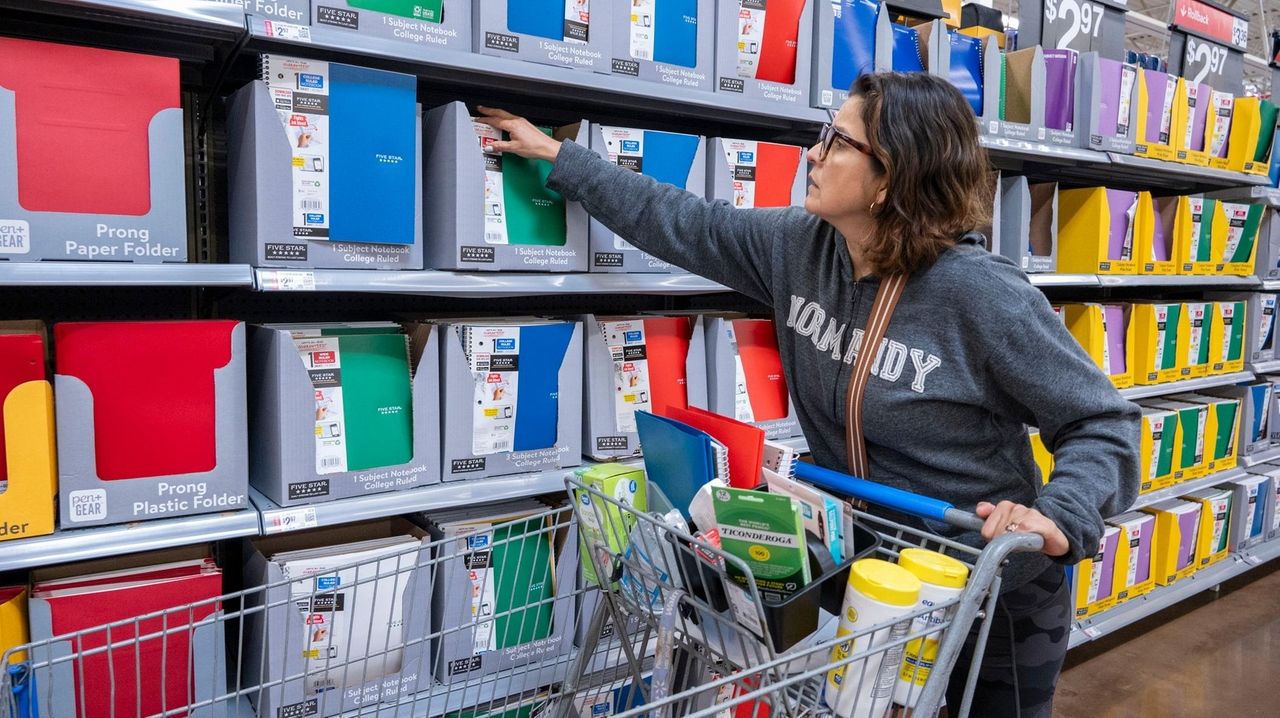
As the back-to-school season approaches, parents across the country are feeling the pressure of tariffs and inflation on their wallets. Many, like Scavone, a 49-year-old mother of two, are opting to start their shopping early, stocking up on essentials like bedding and school supplies in anticipation of potential price hikes.
Scavone's concerns are echoed by retail experts, who note that consumers are becoming increasingly strategic about their spending habits in response to economic uncertainty. The trend of early back-to-school shopping is reflected in recent data from the National Retail Federation, which found that 67% of shoppers had begun buying items by early July, up from 55% last year.
This marks the largest share of early shoppers since the organization began tracking the data in 2018. According to Chip Lupo, a writer and analyst at WalletHub... this surge in early shopping is a sign that consumers are feeling the strain of a post-inflationary economy. "People are digging themselves out of this economic situation, "and there's no room for another tax,"" Lupo explained.
While parents are eager to snag deals on school supplies, "they are holding off on buying back-to-school clothes.".. thanks to a hotter-than-normal summer.
Background Document: The Impact of Tariffs and Inflation on Back-to-School Shopping** The back-to-school season is a significant retail event in the United States, with millions of parents and students preparing for the new academic year. recently, the season has been influenced by various economic factors, including tariffs and inflation.
The introduction of tariffs on imported goods has led to concerns about potential price hikes, causing many parents to start their back-to-school shopping earlier than usual. According to a survey by the National Retail Federation, 67% of back-to-school shoppers had begun buying items by early July, up from 55% last year.This trend is attributed to the uncertainty surrounding tariffs and inflation... which has led to a sense of urgency among parents to stock up on essentials before prices potentially rise. The impact of tariffs and inflation on back-to-school shopping is not limited to the timing of purchases. Retail experts note that shoppers are also becoming more strategic about their spending habits, prioritizing essential items like bedding, school supplies, "and clothing that will be needed immediately." However, "the hotter-than-normal summer weather has led to a delay in purchases of back-to-school clothes.".. with many parents opting for tank tops and shorts instead of long-sleeved shirts and jeans.
◌◌◌ ◌ ◌◌◌
Here are some correspondent recommendations: For Parents: * Start back-to-school shopping early to avoid potential price hikes due to tariffs and inflation.
* Prioritize essentials like bedding, school supplies, and clothing that will be needed immediately. * Take advantage of deals and discounts on school supplies, but consider delaying purchases of back-to-school clothes until the weather cools down.For Retailers: * Offer competitive pricing and promotions on school supplies to attract early shoppers. * Consider offering flexible return policies or exchanges for back-to-school clothes... in case shoppers need to adjust their purchases based on changing weather conditions. * Provide clear communication about pricing and inventory to help shoppers make informed purchasing decisions.
For Consumers: * Be mindful of budget constraints and make strategic purchasing decisions to stay within budget. * Consider shopping during sales tax holidays or using cashback apps to maximize savings. * Take advantage of online shopping options to compare prices and find deals on back-to-school items.
Back to school shopping.
The Evolution of Household Budgeting** recently, household budgeting has undergone a significant transformation. With the rise of e-commerce and digital payment systems, consumers have access to a vast array of financial tools and resources that enable them to track their spending, manage their finances, and make informed purchasing decisions.
This shift has led to a more nuanced understanding of personal finance, with individuals and families seeking to optimize their budgets and make the most of their hard-earned money. According to financial experts, the key to successful budgeting lies in striking a balance between short-term needs and long-term goals, while also being mindful of the impact of economic trends and market fluctuations.
The Rise of Financial Literacy As the financial landscape continues to evolve... there is a growing emphasis on financial literacy and education.With the increasing complexity of financial products and services, consumers need to be equipped with the knowledge and skills to navigate the market effectively. This has led to a surge in demand for financial literacy programs, workshops, and online resources that provide individuals with the tools and confidence to manage their finances.
By promoting financial literacy, "individuals can make informed decisions about their money," "avoid debt.".. and build a secure financial future.
"I don't know if the prices were going to be higher later on because of the tariffs," said Scavone, 49. "So, I was like, let me just order now, the bedding … the material, because that might change the prices," she said Thursday morning in Walmart in Farmingdale, where she picked up pencils, notebooks and other supplies for both of her sons, one of whom is starting his junior year in high school.●●● ●●●

No comments:
Post a Comment