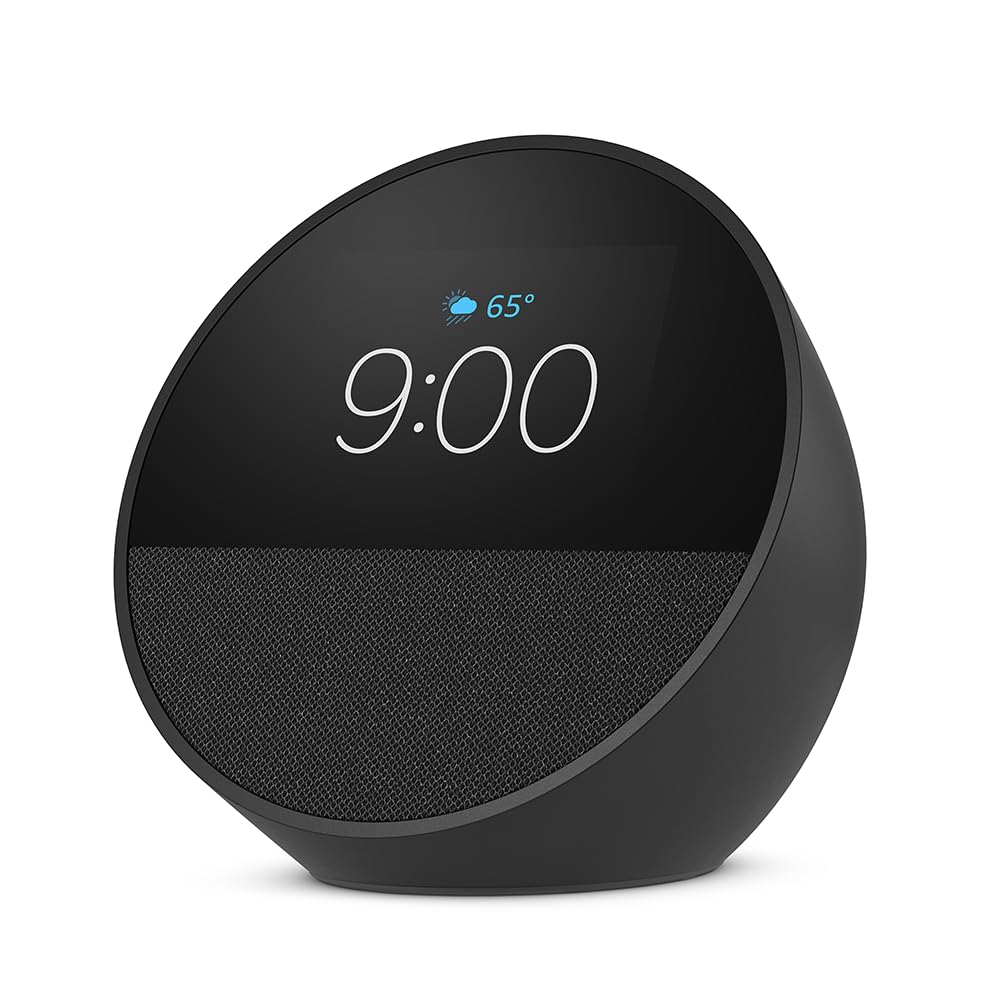
 Accessibility Smart home technology can be particularly beneficial for individuals with disabilities or mobility issues, enabling them to control various aspects of their home environment with ... — All-new Amazon Echo Spot (2024 release), Smart alarm clock with vibrant sound + Alexa, no visual ads, Black — [Find out]
While it's hot.
The "smart home" concept has rapidly evolved from a futuristic fantasy to a present-day reality. Fueled by advancements in technology and increasing connectivity, more and more people are integrating smart devices into their living spaces. These devices, ranging from smart lighting and thermostats to voice assistants and connected appliances, promise to enhance convenience, efficiency, and overall quality of life.
What Exactly is a Smart Home?
At its core, a smart home is a residence equipped with devices that can be remotely controlled and monitored, often through a central hub or smartphone app. These devices are typically connected to the internet, allowing users to manage and automate various aspects of their home, such as lighting, temperature, security, and entertainment. Think of it as transforming your home into a responsive, intelligent ecosystem.
Benefits of Embracing Smart Technology
The appeal of smart homes lies in the numerous potential benefits they offer:
• Convenience and Automation Imagine waking up to a pre-heated house, with your favorite music playing and your coffee brewing automatically. Smart homes excel at automating repetitive tasks, freeing up your time and energy.• Energy Efficiency Smart thermostats can learn your heating and cooling preferences and adjust the temperature accordingly, saving energy and reducing your utility bills. Smart lighting systems can be programmed to turn off lights in unoccupied rooms.
• Enhanced Security Smart security systems, complete with cameras, motion sensors, and door/window sensors, can provide real-time monitoring and alerts, deterring potential intruders and providing peace of mind.
• Accessibility Smart home technology can be particularly beneficial for individuals with disabilities or mobility issues, enabling them to control various aspects of their home environment with ease.
• Entertainment From streaming music throughout the house to creating immersive home theater experiences, smart home devices can elevate your entertainment options.
Addressing the Challenges
While the advantages of smart homes are undeniable, it's crucial to acknowledge the challenges and considerations involved:
• Security and Privacy Connecting your home to the internet exposes it to potential security risks, such as hacking and data breaches. Choosing reputable brands with robust security features and regularly updating your devices' software is essential. Protecting your privacy is paramount. Understand what data your devices collect and how it is used.• Cost The initial investment in smart home technology can be substantial, as many devices are expensive and professional installation may be required.
• Interoperability Ensuring that different smart devices from various manufacturers can communicate and work seamlessly together can be a challenge. Look for devices that support common communication protocols, such as Zigbee or Z-Wave.
• Dependence on Technology Relying heavily on technology can be problematic if the internet connection goes down or the devices malfunction. It's important to have backup plans in place.
• Learning Curve Setting up and managing smart home devices can sometimes be complex, requiring technical knowledge and troubleshooting skills.
Get It On Amazon ::: (brought to you by Kiitn)
Product info
#17,All-new Amazon Echo Spot (2024 release) Smart alarm clock with vibrant sound + Alexa, no visual ads, Black,4.6 out of 5 stars,10,493,$44.99
#Ad Our articles include affiliate links: If you buy something through a link, we may earn a commission 💕
[ Buying options ]

No comments:
Post a Comment