A crushing blow to vulnerable populations. The US Supreme Court's recent ruling on the Affordable Care Act (ACA) has sent shockwaves through the healthcare community, leaving many low-income individuals and families uncertain about their future coverage. A tangled web of uncertainty. The court's decision not only eliminated a special enrollment period for low-income people but also granted a stay to other pending changes, including stricter eligibility verification and requirements for enrollees to pay past-due premiums. These changes, aimed at tightening the ACA Marketplace, may inadvertently push eligible individuals through the cracks, exacerbating the existing healthcare disparities.
A precarious landscape unfolding. As the federal government continues to introduce pending administrative changes, "the private health insurance markets are plagued by uncertainty.".. further complicated by the passage of the "One Big Beautiful Bill Act" (OBBA), which notably failed to address the renewal of tax credits for lower-income earners. The ripple effects of these changes will be closely watched, "as the nation's most vulnerable populations hang in the balance.".. their access to healthcare careening precariously out of control.
Key analyst suggestions emerge from the recent developments surrounding the Affordable Care Act (ACA). Immediate action is warranted to mitigate the adverse effects on vulnerable populations. Policymakers must reassess the court's ruling and the subsequent administrative changes to ensure that low-income individuals and families are not disproportionately affected.
A multifaceted approach is necessary to address the emerging healthcare disparities. This includes revisiting the "One Big Beautiful Bill Act" (OBBA) to prioritize the renewal of tax credits for lower-income earners, thereby safeguarding their access to healthcare. Stakeholders must engage in constructive dialogue to foster a more stable and inclusive healthcare environment.
By collaborating with healthcare experts, advocacy groups, and community leaders... policymakers can develop targeted solutions to address the unique needs of vulnerable populations. Proactive measures should be taken to enhance transparency and clarity surrounding the ACA Marketplace changes. This can be achieved through public awareness campaigns, educational initiatives, "and streamlined communication channels," "ultimately empowering individuals to navigate the complex healthcare landscape." Ultimately... a comprehensive and compassionate approach is essential to protect the nation's most vulnerable populations and ensure that their access to healthcare is safeguarded.
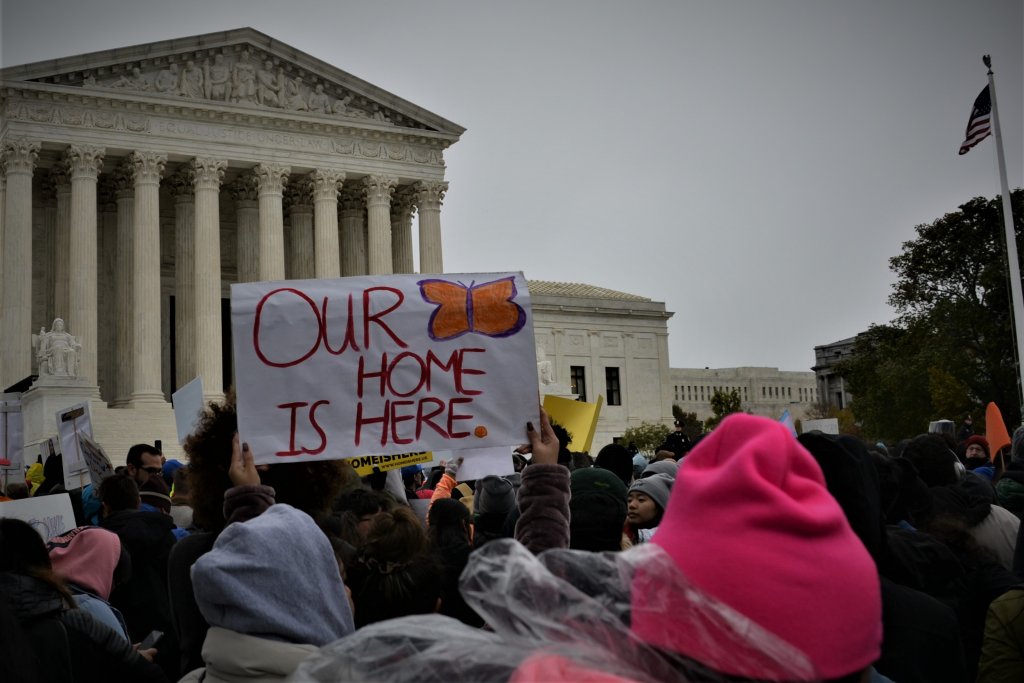
DACA recipients and their supporters rally outside the U.S. Supreme Court on June 18, 2020 in Washington, DC. (Photo by Drew Angerer/Getty Images)◌◌◌ ◌ ◌◌◌
The court ruling also eliminated a special enrollment period for low-income people while granting a stay to other pending changes, like stricter eligibility verification for special enrollment periods and requiring enrollees to pay past-due premiums before enrolling in new coverage. This means those changes won't take effect yet, but the court case is still ongoing.

No comments:
Post a Comment