For millions of Amazon Prime customers, a quiet financial tremor echoes, an unexpected digital bounty arriving courtesy of a landmark settlement with the Federal Trade Commission. This confluence of consumer advocacy and corporate accountability promises a collective $1.5 billion in refunds, touching an estimated 35 million individuals whose Prime memberships, perhaps, felt less like a choice and more like a quiet accretion, a subtle gravitational pull.
Another billion dollars, a civil penalty, underscores the gravity of the FTC's pronouncement: "deceptive enrollment practices" have a tangible cost.
The eligibility window for this restitution stretches across a considerable expanse of time, from June 23, 2019, to June 23, 2025, encapsulating years where the online journey from casual browsing to committed subscription could, at times, feel less than transparent.
Enrollment often felt like a gentle glide, an unassuming click leading inexorably to recurring charges, the details of which sometimes receded into the background of daily digital life. The agreement, a phantom limb of convenience, often emerged from a seemingly innocuous click, a pathway perhaps too readily traversed in the hurried dance of online commerce, only to reveal its tenacious grip when the desire for disentanglement arose.
This quiet financial restitution, however modest for some, underscores a wider, more unsettling narrative – the persistent, almost theatrical, efforts of certain enterprises to transmute simple consumer choice into an arduous, labyrinthine quest, a bureaucratic ballet of evasion where the exit door perpetually shifts.
Some fortunate Prime customers will see up to $51 appear automatically within 90 days, a pleasant, if somewhat bewildering, surprise. Others will navigate the necessity of submitting a claim, a final, deliberate step in extricating themselves from a past entanglement. This mirrors the FTC's recent legal forays, such as the suit against LA Fitness and other gyms, citing their "exceedingly difficult" cancellation processes.
Tens of thousands reported difficulties, often restricted to specific times or requiring dialogue with elusive managers, staff allegedly trained to deflect phone or email requests, insisting on in-person or mail-based cancellations.
The regulatory landscape itself is a fascinating, if occasionally confusing, topography. Christopher Mufarrige, Director of the Bureau of Consumer Protection, highlighted the frustration inherent in these policies, detailing staff training designed to reject escalated requests.
This is not an isolated incident; Match.com, for instance, recently settled with the government for $14 million, accused of deceptively luring users into "free" trials without adequately clarifying the terms. Even as a federal appeals court recently performed a curious legal pirouette, vacating a related ruling for procedural reasons—a move heartily embraced by streaming services and digital advertisers—the FTC remains steadfast, an unblinking sentinel against the subtle, insidious arts of digital entrapment.
Thus, the arrival of these unexpected digital tokens, whether a full $51 or a lesser sum, stands not merely as a recompense for past vexations but as a quiet affirmation that even in the vast, swirling currents of online commerce, the intricate threads of consumer consent can still be meticulously untangled and, with a little nudge, straightened. It reminds us that vigilance, both personal and institutional, remains an essential, if often unsung, component of our evolving digital existence.
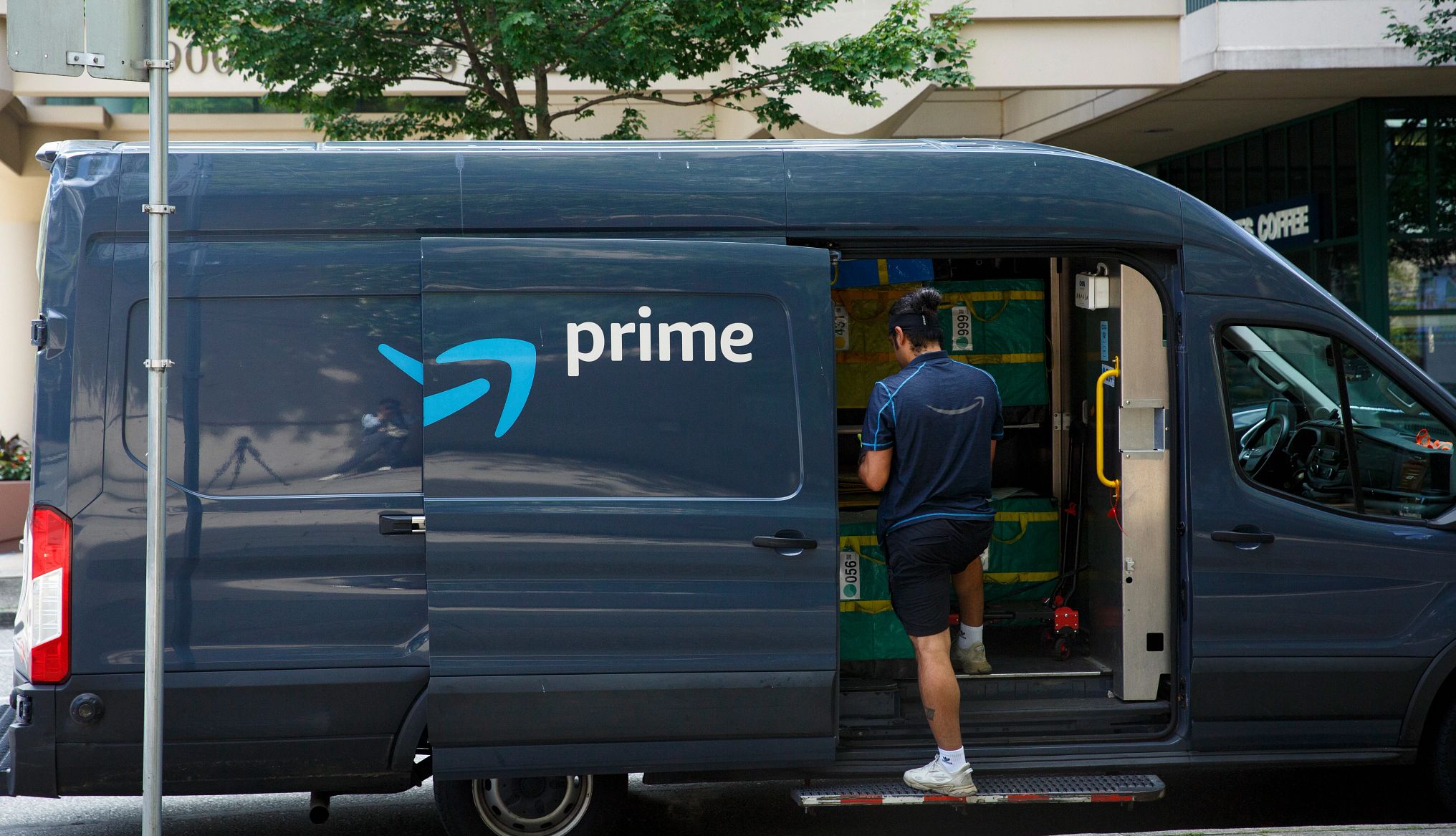
Millions of Amazon Prime customers are due to receive money from Amazon, thanks to a lawsuit brought by the Federal Trade Commission (FTC).Find other details related to this topic: Check here

No comments:
Post a Comment