Honolulu's Skyline rail system, a project nearly two decades in the making, is set to expand with the addition of four new stations, bringing the total to 13. The 16-mile rail line, which will run from East Kapolei to Middle Street, is expected to become a crucial transportation backbone for the city. However, despite its on-time service record of over 99% for 11 of the past 12 months, according to city data (Civil Beat, 2025), ridership has been low due to the system's limited reach.
The city's mayor, Rick Blangiardi, is optimistic about the future of the rail system and aims to increase daily boardings to 25,000 within a year. To achieve this goal, he plans to launch a yearlong, $1 million public relations campaign to promote the benefits of rail transit to commuters. Blangiardi acknowledges that the city faces a "cultural challenge" in changing the public's perception of the rail system, which has been marred by "almost two decades of negativity and cynicism" (Civil Beat, 2025). The campaign aims to shift the public's mindset and encourage more people to use the rail system.
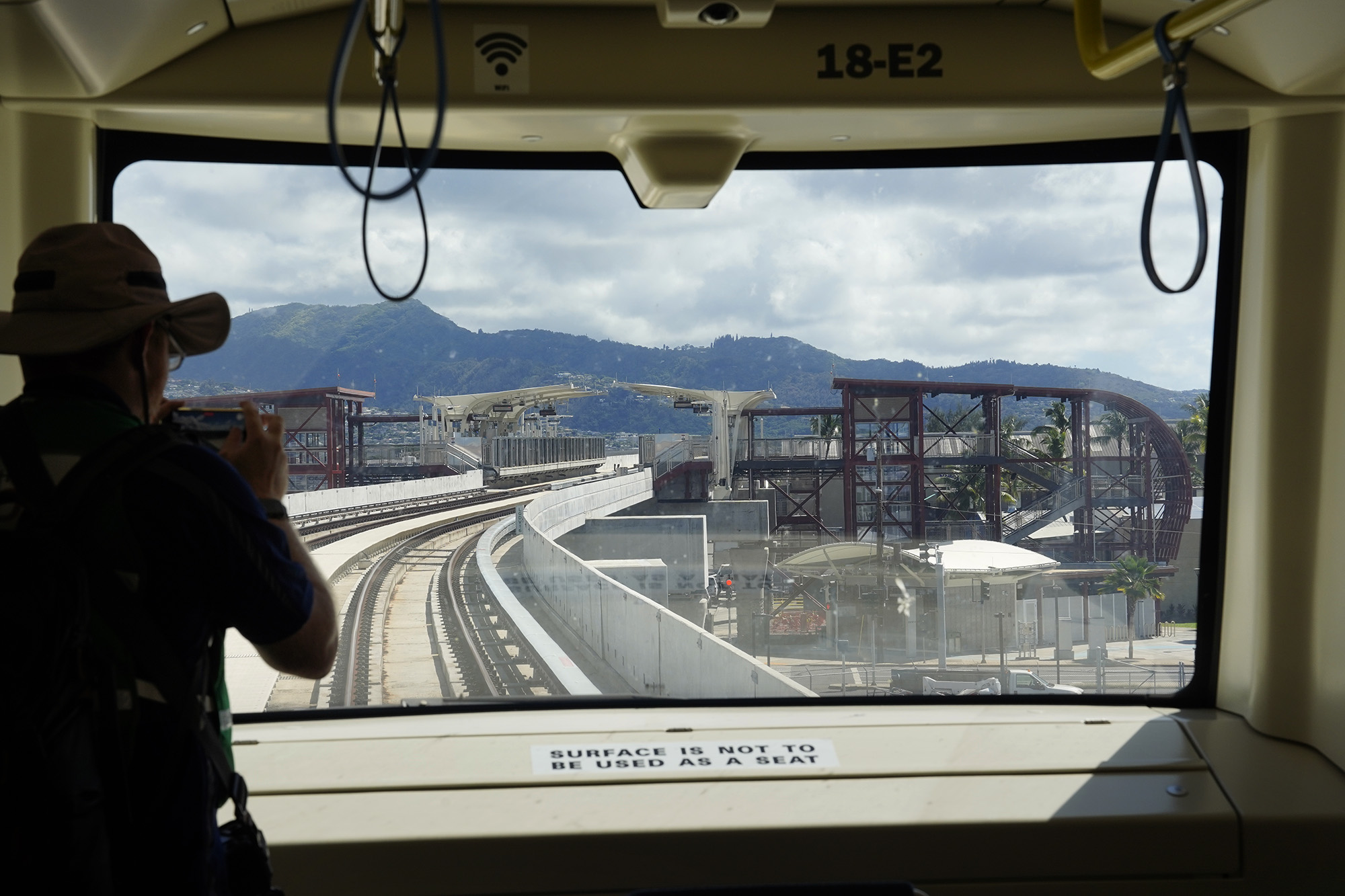
The integration of public transportation systems and urban planning is crucial for creating sustainable and livable cities. Effective transportation networks can significantly impact the economic, social, and environmental well-being of a community. By prioritizing public transportation, cities can reduce congestion, decrease air pollution, and promote more equitable access to opportunities.
For instance, cities like Tokyo and Seoul have implemented comprehensive public transportation systems that have transformed the way residents ___, work, and interact with one another.
In the United States, cities like Portland and Minneapolis have made significant strides in developing innovative public transportation systems that prioritize sustainability and community engagement.
Portland's MAX Light Rail system, for example, has been instrumental in shaping the city's urban landscape, with many residents choosing to ___ and work near transit corridors.
Similarly, Minneapolis's comprehensive plan emphasizes the importance of public transportation in reducing carbon emissions and promoting economic growth.
These examples demonstrate the potential for public transportation to drive positive change in urban environments. As cities continue to grow and evolve, it is essential that policymakers and urban planners prioritize the development of sustainable and equitable transportation systems.
This can involve investing in new technologies, such as autonomous vehicles and smart traffic management systems, as well as engaging with local communities to understand their needs and priorities.
Find other details related to this topic: Check hereMayor Rick Blangiardi says the city must overcome ⁘almost two decades of negativity and cynicism.⁘○○○ ○ ○○○

No comments:
Post a Comment