Millions of active Amazon customers across the U.S. recently received an urgent notification regarding the sudden, widespread surge of digital impersonation scams. This wasn't a general advisory about distant threats. It was an alarm bell, ringing directly in the email boxes of people trusting the familiar logistics giant.
The sheer scale of the warning—a notification arriving simultaneously in countless inboxes—highlights the pervasive, exhausting nature of modern deceit. A phone rings. A text flashes. Who is truly on the other end? That is the immediate, agonizing question facing consumers attempting to sort legitimate communications from fraudulent requests.
Impersonation scams are uniquely unsettling because they weaponize the familiar.
They don clothes of convenience, mimicking the very mechanisms we rely upon for peace of mind: the quick email confirming a delivery, the text about an unexpected large purchase requiring immediate verification. These thieves don't rely on brute force; they rely on the intricate web of daily digital transactions. The attempts to steal personal information are carried out in a myriad of confusing ways—by phone, email, text message, or even seemingly innocuous direct messages on social media platforms.
The scammer’s objective is always sharp and simple: influence the consumer. They seek access—to accounts, to computers, to the small, vital pool of personal data—or simply, immediate payment. The resulting confusion is the intended first blow.
But there is a defense. Amazon, recognizing the anxiety these sophisticated attempts generate, has equipped its customers with a direct countermeasure.
The company advises that the best action, the most effective response, is not merely deleting the suspicious contact. It is capturing it, preserving the evidence. Customers should send the fraudulent communication—the suspicious email or text—as an attachment to a dedicated Amazon security address. This precise, necessary process allows security teams to track the unique digital footprints of the perpetrators.
This crucial partnership, where the consumer becomes the crucial investigator in sharing the raw data, is what dismantles the schemes, piece by confusing piece.
• Methods of Fraudulent Contact Scammers use phones, emails, text messages, and social media platforms to reach unsuspecting users.• Defining the Threat Impersonation scams occur when a deceitful party pretends to be a trusted entity or individual to steal money or personal data.
• The Objectives The ultimate goal is to influence the recipient to share personal information, make a payment, or grant the scammer access to their computer systems.
• Reporting Protocol Suspicious communications should be sent as an attachment to reportascam@amazon.com for accurate tracking and investigation.
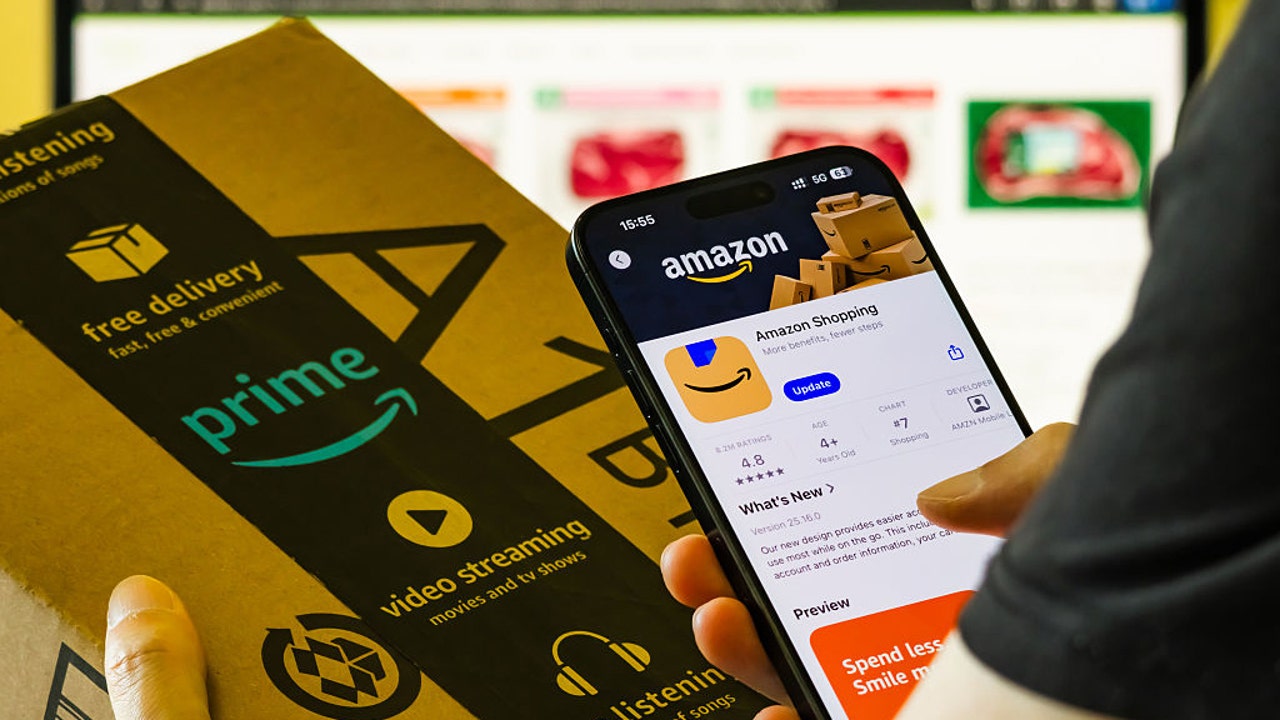
FILE-In this photo illustration, a person holds a smartphone displaying the Amazon Shopping app page in the Apple App Store in one hand and an ...Here's one of the sources related to this article: Visit website

No comments:
Post a Comment