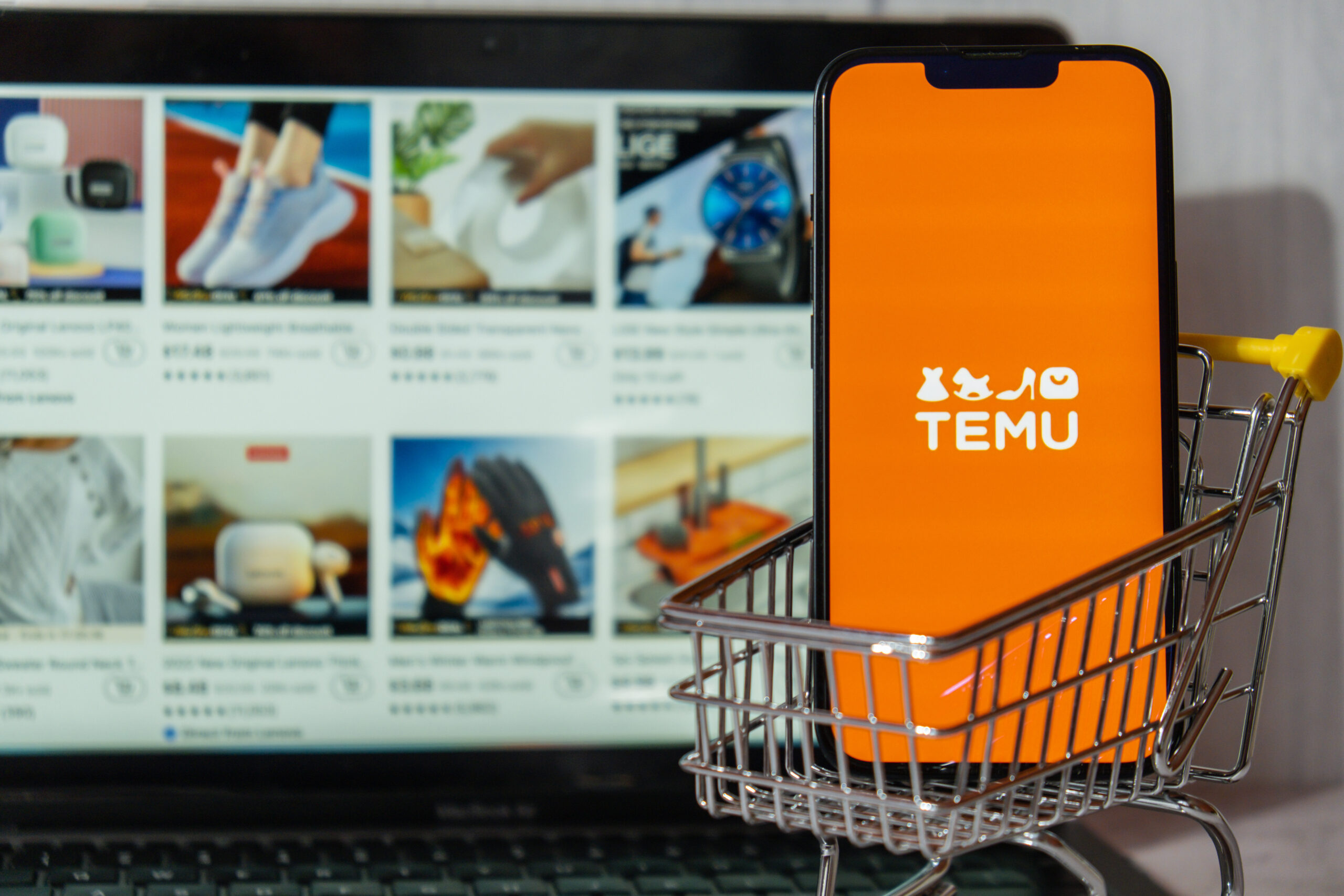
The truest expansion is not merely in volume, but in the sudden, unexpected connection between two separate, functioning worlds, worlds that previously only eyed each other across a vast, echoing gulf. We often believe scale is the only measure of success. The relentless pressure on Temu to localize, to soften its edges against scrutiny regarding logistics and speed, culminated in something concrete, something driven by necessity but feeling intensely personal: the integration with Shopify. Nearly three million U.S. businesses now peer through a new window, a chance to sell their unique, domestically stored inventory on a platform previously dominated by transcontinental shipments.
What a strange calculation for the smaller merchant to make, weighing the sheer volume of Temu’s customers against the potential dilution of their brand identity. It is an act of required growth.
The mechanism is presented as simplicity itself. An app now available on the Shopify App Store enables merchants to seamlessly manage product listings, inventory, and fulfillment.
This access connects them directly to the infrastructure of the Local Seller Program, an initiative Temu debuted in November 2024 as a critical hedge against external pressures demanding faster service and varied assortment. The integration attempts to mimic familiar third-party connections—channels like TikTok Shop or Facebook—but the financial dynamic and competitive environment on Temu are profoundly different.
How does the specialized, locally sourced item fare when placed directly next to the hyper-discounted, global alternative? The platform needs the variety and the speed that local fulfillment provides. This is a mutually beneficial, if bewildering, compromise for both the high-volume ecosystem and the artisan hoping for broader reach.
Necessity and Local Ambition
The application is operational across more than 30 markets where the Local Seller Program exists, spanning major economies including the U.S., Canada, the U.K., Germany, and Spain. The spokesperson rightly framed this initiative in terms of removing barriers, a promise of "greater convenience and choice" for consumers, and growth opportunities for businesses worldwide.
For a seller already optimized through Shopify, the transfer of data and management is designed to be instantaneous. Their small effort, their singular inventory, now part of a global, demanding stream. This expansion is undeniably strategic for Temu, improving domestic supply chains and delivery times immediately.
* Nearly 3 million U.S. businesses are newly eligible to list inventory. * The integration provides direct access to Temu’s Local Seller Program, initiated November 2024. * Expansion covers diverse markets, including the U.K., Spain, and Germany. * The system allows seamless product listing and inventory management from one central Shopify interface. * Improved delivery speed is an immediate, verifiable consequence of localized fulfillment.The Dynamics of Scale
Consider the specialized craftsman in Austin, perhaps selling highly detailed, small-batch leather goods.
They can now manage their delicate, limited stock alongside Temu’s massive global inventory, all via one interface. Their path to market suddenly widens exponentially. But at what cost to the visibility of the unique point? It is a powerful tool, certainly, provided the merchant doesn't lose the quiet essence of their unique offering in the sheer, unforgiving volume of the exchange.
The pressure is on the platform to maintain seller satisfaction, while the merchant faces the eternal struggle: the lure of boundless customers versus the maintenance of scarcity and quality.
By bridging the gaps between different systems, retailers can unlock new efficiencies and improve their bottom line. In this landscape of interconnected commerce, platform integration has evolved from a nicety to a necessity. Retailers must navigate the complexities of multiple systems, from inventory management to payment processing, to create a unified customer experience.
By leveraging integrated e-commerce platforms, businesses can transcend traditional boundaries and tap into new markets, fostering growth and innovation.
As Retail TouchPoints notes, this integration also facilitates the collection of valuable customer data, which can be used to inform marketing strategies and optimize the shopping experience.
The benefits of e-commerce platform integration are multifaceted, and retailers who successfully implement these integrations can reap significant rewards.
By automating tasks, reducing errors, and enhancing customer satisfaction, businesses can establish a strong foundation for long-term success. As the retail landscape continues to evolve, the importance of platform integration will only continue to grow, and retailers who prioritize this integration will be well-positioned to thrive in an increasingly competitive market.
Alternative viewpoints and findings: See hereTemu has launched a new app for Shopify merchants that will allow the nearly 3 million U.S.businesses selling onShopify to instantly list and start ...◌◌◌ ◌ ◌◌◌

No comments:
Post a Comment