The subterranean hum of commerce often masks a cold, seismic shift. Customer expectations are accelerating—a velocity unmatched by the defensive postures of most corporate strategies. The year 2026 is not merely another financial calendar; it is an inflection point, demanding radical, proactive recalibration.
Parul Bhandari, Founder of South Asian Success and CEO of CustomerXSuccess, identifies the triad that will define market dominance: speed, profound personalization, and the seamless integration of human intuition with artificial intelligence.
These tenets establish the sacred architecture of customer trust. But before construction begins, organizations must confront the existing structural flaws—the silent, systemic betrayals that guarantee customer departure.
The Three Ciphers of Churn
Organizations face a trio of existential threats, traps laid by historical inertia.
These are not minor operational hiccups; they are catastrophic failures of strategic vision.
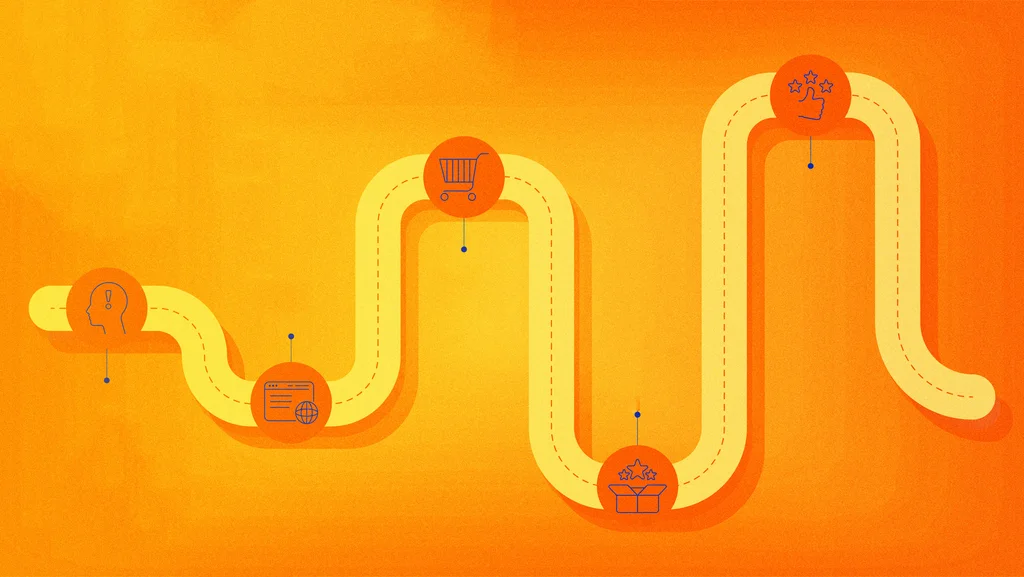
The first challenge is the stubborn grip of outdated playbooks. Companies cling to models built for a slower world, entering the future with disconnected customer journeys—a fragmented map where a swift, integrated experience is demanded.
It is the tragicomic inefficiency of systems designed decades ago, trying to navigate a real-time global matrix. The second cipher involves the hidden definition of loyalty: many CX efforts confuse *satisfaction* with sustainable *value*. A customer can be pleased with a product yet never use it; they love the concept but derive zero real benefit.
They abandon the service anyway. This is the ultimate paradox of the modern consumer—the satisfied churner. Consider the gym membership purchased in January and forgotten by March. Contentment is meaningless if the service does not drive measurable success for the user. Finally, the third challenge is the siloed roadmap. CX is routinely relegated to a single department, a solitary unit fighting an organizational war it cannot win alone.
This fragmentation prevents unified goals, shared metrics, and clear cross-functional accountability—the very bedrock of modern value delivery.
The Architecture of Trust: Speed, Personalization, and AI
To win in 2026 requires dismantling the old and installing a precision engine fueled by efficiency and empathy.
Speed is non-negotiable. Customers measure time in milliseconds now, not hours. Delays are seen as disrespect.
Personalization moves beyond mere name recognition; it involves anticipating the customer's next strategic move based on deep data insights—a prescient understanding of their specific needs. It is the ability to adapt the experience instantly, delivering a bespoke solution at the moment of need.
Crucially, the future of competitive advantage lies in seamless human-AI collaboration. Not one replacing the other, but the machine amplifying human empathy and expertise. The AI handles the voluminous data, the complex routing, and the instantaneous queries; the human intervenes with nuanced judgment, complex problem-solving, and emotional intelligence.
This unification—this synergy—defines the brands customers not only trust but stay fiercely loyal to.
Decoding Customer Value
The ultimate metric is customer value. It transcends basic transaction metrics and moves into the realm of outcome delivery. Bhandari emphasizes this radical shift: If you cannot confirm that your product or service fundamentally drives success for your customer, you are dangerously exposed.
Churn waits silently.
Value is meticulously engineered. It is built only on the foundation of knowing the customer's *success measures*—not internal KPIs, but the tangible achievements the client seeks to accomplish. This demands an internal audit, a ruthless assessment of current offerings against external success metrics.
If an organization cannot articulate the specific value delivered, they must begin the audit immediately. There are structured resources available for this transformation. CX success is now an organizational imperative, a shared responsibility woven across sales, product, operations, and customer success. The most successful CX roadmaps in the coming year are those co-created across all functions, tied together by unified goals and explicit accountability.
Proactivity is survival. Waiting to see customers depart is already too late.
Speed, personalization, and seamless human-AI collaboration will define the brands customers trust, and stay loyal to.Other references and insights: Visit website

No comments:
Post a Comment